
Wart Removal & Treatment
Warts can appear nearly anywhere on the body, from the hands, elbows, and knees to the bottom of the feet. At Fayette Area Dermatology in Fayetteville, Griffin, and Zebulon, GA, our providers offer safe, effective treatments for all types of warts. Call (770) 460-8988 - Fayetteville Office , (770) 460-8988 - Griffin Office or (770) 460-8988 - Zebulon Office or schedule an appointment online today to learn more.
Request an AppointmentWhat Are Warts?
Warts are small, noncancerous skin growths caused by the human papillomavirus (HPV). The virus enters the skin through small cuts or breaks and causes skin cells to grow rapidly, forming a rough, raised bump. Common warts often develop on the hands, fingers, knees, and elbows and can resemble the head of a cauliflower. Other warts are flat and can be difficult to identify without a professional skin evaluation. Warts are contagious and can spread to other areas of your body or to other people, so professional treatment is often the fastest way to clear them.
Types of Warts We Treat
Fayette Area Dermatology offers treatment for all types of warts, including:
- Common warts: Raised, grainy growths that develop in areas of broken skin, often on the hands and fingers. You may have a single wart or a small cluster.
- Filiform warts: Long, narrow growths that look similar to skin tags and typically form around the eyes, face, lips, or neck.
- Flat warts: Smooth, slightly raised warts that often appear on the face or forehead. They are flesh-colored or white and are common in children and teens.
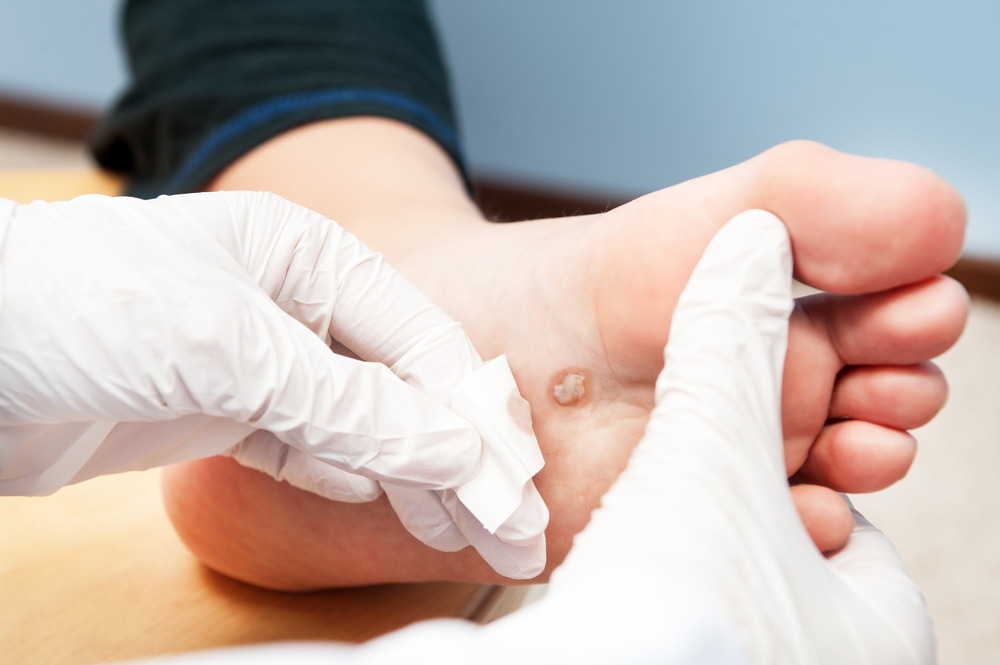
- Plantar warts: Warts on the soles of the feet, often on the heels, balls of the feet, or toes. Covered by a thick layer of skin, they can cause pain when you stand or walk.
- Genital warts: Highly contagious, sexually transmitted warts that grow on or around the genitals or anus, often in clusters, and can grow larger over time. Avoid sexual contact while you have these growths.
- Subungual and periungual warts: Rough growths that form under or around the fingernails and toenails and can interfere with healthy nail growth.
Why See a Dermatologist for Warts?
Some warts go away on their own, but many last for months or years, spread, or come back after over-the-counter treatment. A dermatologist can confirm that a growth is a wart and not another skin condition, then remove it safely with less risk of scarring, infection, or recurrence. You should see a provider if a wart is painful, bleeding, spreading, changing in appearance, located on your face or genitals, or if you have diabetes or a weakened immune system.
Wart Treatment Options
Depending on the type and location of your wart, your provider may recommend:
- Cryosurgery: Liquid nitrogen freezes the wart so it blisters and falls off.
- Electrosurgery: Electrical energy cuts through the wart and destroys the tissue and blood vessels that feed it.
- Laser surgery: An energy-based device heats the wart tissue until it dies and falls off naturally.
- Salicylic acid: Prescription-strength patches, gels, pads, and drops gradually dissolve the wart, often within 4 to 6 weeks.
Stubborn warts may need more than one treatment session. To lower your risk of new warts, avoid picking at them, keep your feet dry, and wear sandals in public showers and pool areas. If you have other skin growths you’re concerned about, such as cysts, our team can evaluate those during the same visit.
Wart Treatment FAQs
Are warts contagious?
Yes. Warts are caused by HPV and can spread through direct skin contact or by touching surfaces such as towels, floors, and shower areas.
Do warts go away on their own?
Some warts disappear on their own over months or years, but many persist or spread. Professional treatment usually clears them faster.
Does wart removal hurt?
Most wart treatments cause only mild, temporary discomfort. Your provider will do everything possible to keep you comfortable.
Why do my warts keep coming back?
Warts can return if the virus remains in the skin. Repeat treatments and good prevention habits help reduce recurrence.
Can I remove a wart at home?
Over-the-counter products help some people, but cutting, burning, or picking at warts at home can cause infection, scarring, and spreading. A dermatologist offers safer, more effective options.
Are plantar warts dangerous?
Plantar warts are not dangerous, but they can be painful when walking or standing. Treatment can relieve discomfort and prevent them from spreading.
Can children get warts?
Yes. Warts are very common in children and teens. Our providers safely treat warts in patients of all ages.
Say Goodbye to Stubborn Warts
Get fast, professional wart removal from our experienced team. Call (770) 460-8988 - Fayetteville Office , (770) 460-8988 - Griffin Office or (770) 460-8988 - Zebulon Office or request an appointment online at our Fayetteville, Griffin, or Zebulon office.